



Why speed 
control matters

  • Maintains stable frequency
    Maintains stable frequency
  • Enables parallel operation and load sharing
    Enables parallel operation and load sharing
  • Responds instantly to load changes
    Responds instantly to load changes
  • SUPPORT CONSTANT SPEED AND VARIABLE SPEED FOR POWER ON DEMAND AND HYBRID BATTERY CHARGING 
    SUPPORT CONSTANT SPEED AND VARIABLE SPEED FOR POWER ON DEMAND AND HYBRID BATTERY CHARGING 

Types of SPEED 
CONTROL Systems

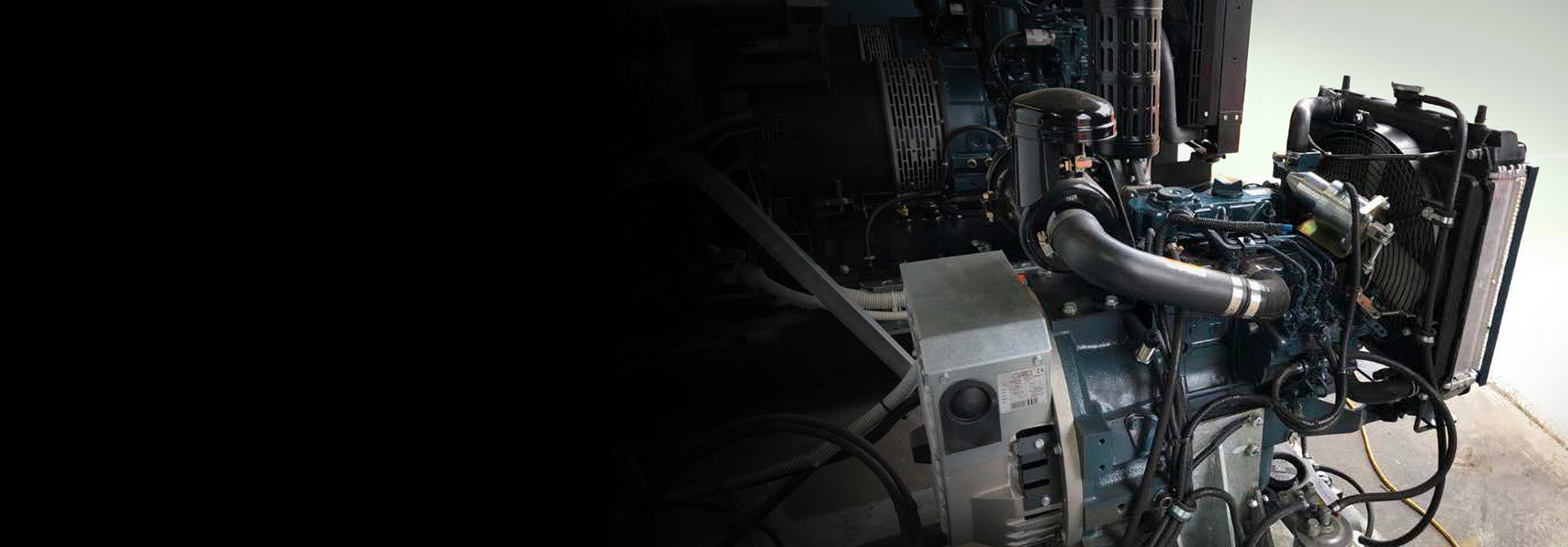
The speed control system links electrical demand with engine response. As load changes, it adjusts fuel input (via electronic control and actuation) to maintain constant speed.

Modern speed control systems use electronic governors for precise and fast response, and seamless integration with advanced control systems.

Mechanical governors are typically limited to legacy applications and simpler engines.
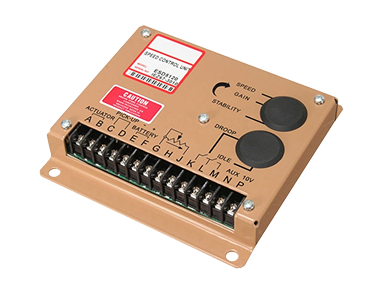
Speed Controllers 
& Actuators

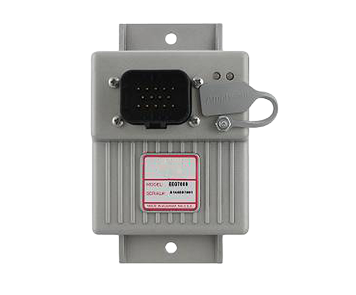
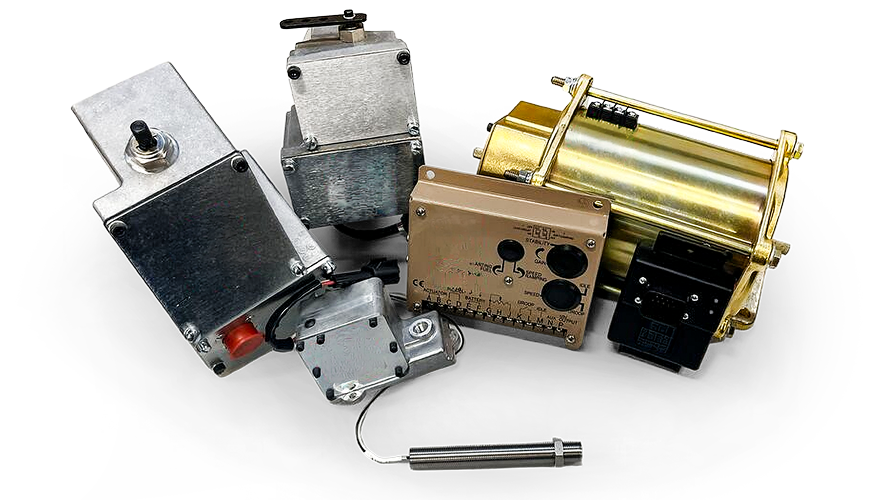
In electronic speed control systems, the governor is the controller that regulates engine speed based on load conditions.

In applications with mechanically governed engines, an actuator is used to convert the controller signal into a physical adjustment of the engine fuel system.

Together, the controller and actuator ensure accurate and responsive speed control across varying load conditions.

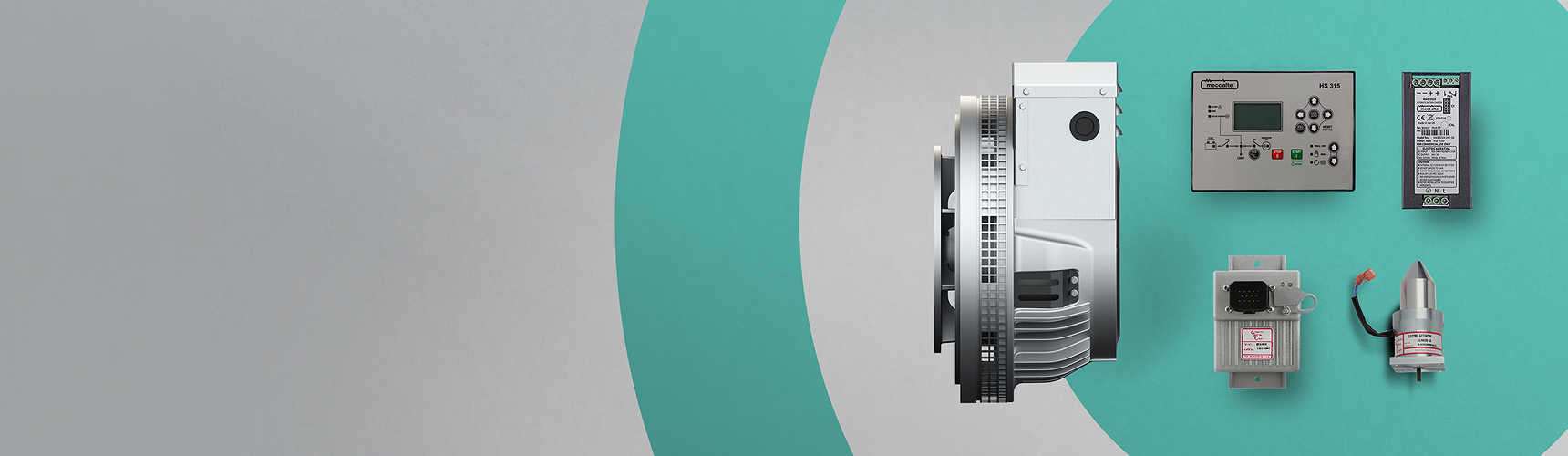
Mecc Alte supports the selection of both controllers and actuators to ensure optimal integration with the engine and overall power system.

Need help?

Contact our team to discuss your project or application.